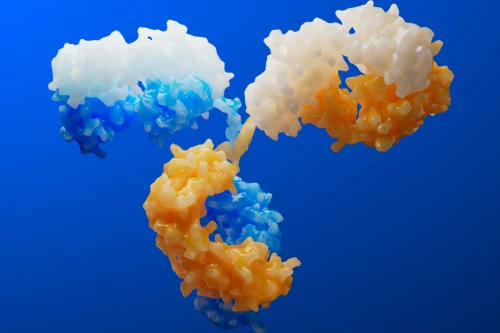
Antibody–drug conjugates (ADCs) offer a targeted approach to cancer treatment, yet many candidates face clinical setbacks due to heterogeneity, linker instability, and design limitations. As only a small proportion of ADC programs reach market approval, there is growing interest in more precise and reliable conjugation technologies.
This whitepaper explores how emerging enzymatic and chemoenzymatic strategies support the development of site‑specific, stable, and clinically robust ADCs. By addressing key challenges in payload attachment and molecular consistency, these approaches aim to improve the therapeutic window and reduce attrition across clinical development.